
Demystifying Solar Misconceptions In Ghana
In recent years, Ghana has taken bold steps toward a cleaner, more sustainable energy future. However, misconceptions still hold back solar deployment.
Written by Desmond Agbadi
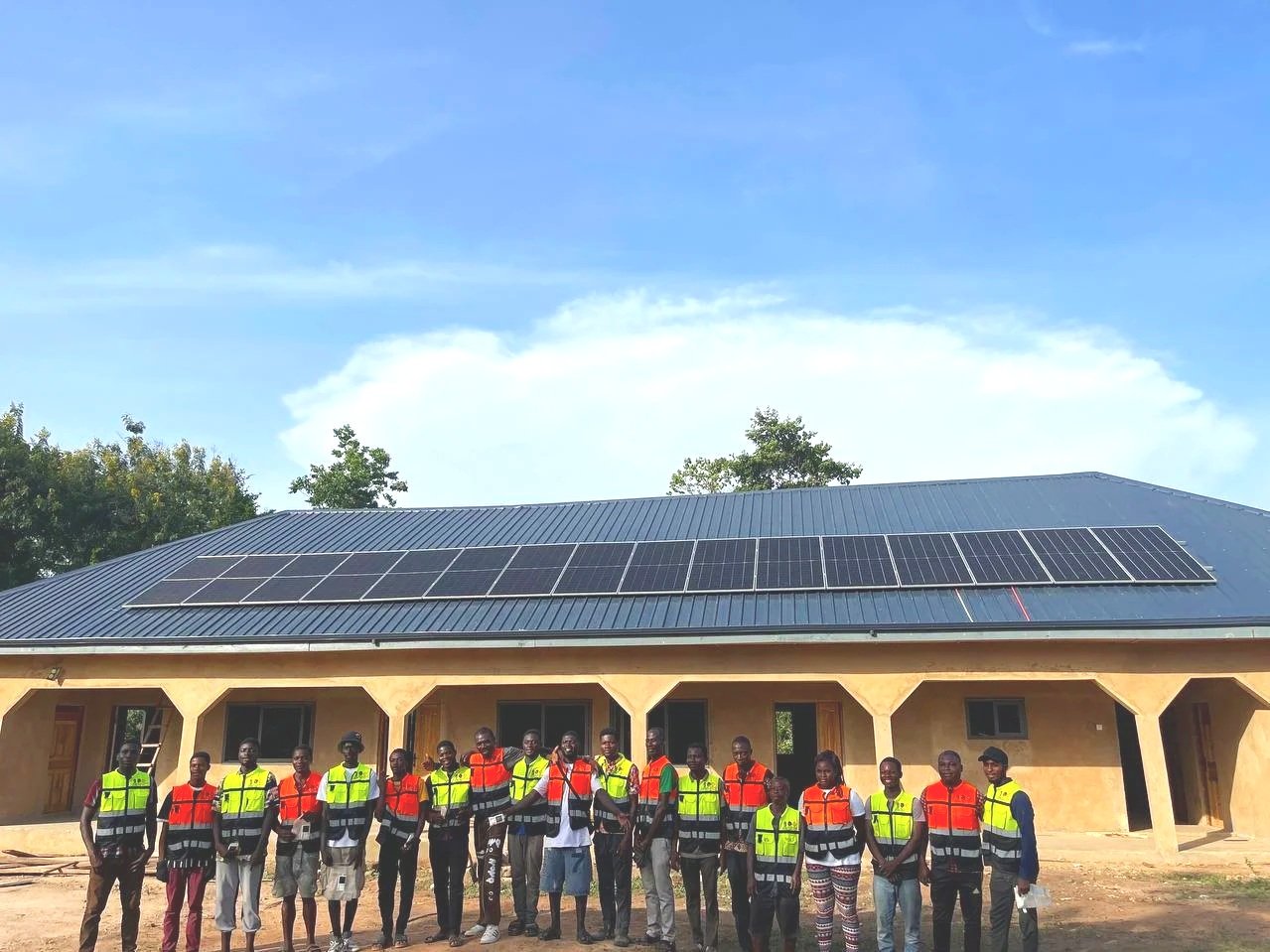
Why the sun is not your enemy
In recent years, Ghana has taken bold steps toward a cleaner, more sustainable energy future. The country has developed an Energy Transition Framework that outlines how we will gradually shift from fossil-fuel-based systems to cleaner, more sustainable energy sources like solar, wind and other renewables over the coming decades. Solar energy is expected to play a central role in this journey. However, in communities, schools, markets and even in technical spaces, we at Dream Renewables continue to see one big barrier; misconceptions and myths about solar energy. These misconceptions affect:
How people talk about solar
How they trust solar installers
Whether they are willing to invest in solar solutions at all
If Ghana is to truly benefit from its energy transition and unlock the full potential and impact of solar, then these myths must be demystified early, clearly and consistently.
The work we do at Dream Renewables gives us direct insight into these misconceptions and public opinion on solar power. Over the years we have;
Trained over hundreds of technicians, students, artisans and community members in solar PV design and installation.
Conducted focus groups with farmers and local health boards to understand how solar power can support their speciality.
Installed solar systems in schools, communities, farms and health facilities and in doing so, engaged with electricians, farmers, nurses and young people across Ghana.
In summary we have had countless conversations, answered hundreds of questions and listened carefully to the concerns people have about solar. And again and again, the same misconceptions appear. Let’s unpack a few of them.
Misconception 1: “Solar cannot power everything.”
One of the most common statements we hear is: “Solar is only for small things. It cannot power a whole house, a shop or serious equipment.” This is not true.
The reality however is that solar is highly scalable. This means it can:
Power small loads like phone chargers, lights, fans and TVs.
Power medium systems such as homes, small businesses, cold stores, clinics and schools.
Even support large systems and utility-scale solar farms feeding into the national grid.
The key is not that “solar cannot power everything,” but rather; has the system been properly designed and sized for the load?
If someone installs a very small system and expects it to power fridges, irons, pumps and air conditioners without proper design, of course it will fail. When systems are;
Poorly sized,
Built with low-quality components, or
Installed without understanding energy demand,
people conclude “solar doesn’t work” – but the real problem is design and standards, not the technology itself.
At Dream Renewables, our trainings focus strongly on;
Load assessment (understanding what the client wants to power),
Proper system sizing (panels, batteries, inverter etc.),
Realistic expectations and clear communication with clients.
When design and reality match, solar works beautifully.
Misconception 2: “Solar electricity is weaker or less potent.”
Another misconception we often encounter is; The “electricity’’ from solar is somehow weaker than ‘normal light’ from the “grid’’. This often comes from bad experiences with;
Undersized systems,
Cheap or counterfeit components,
Poor wiring, and
Low-quality inverters or batteries.
The reality however is that electricity is electricity. A properly designed solar system can deliver; the same voltage and frequency as grid power (for example 230V AC at 50 Hz), with enough capacity (kW / kVA) to run the intended loads.
When people say “solar is weak” most of the time;
The system is too small for the appliances connected,
There are serious voltage drops due to wrong cable sizes,
Or the batteries are damaged and no longer delivering.
In many of our training and field visits, we see; AC cables used where DC cables are needed, No proper protection devices, long cable runs without appropriate sizing leading to very significant losses. These are technical issues and not limitations of solar technology. At Dream Renewables, we work hard to;
Train technicians to respect standards,
Use the right cable types and sizes,
Understand mismatch losses, voltage drop and system protection, so that the electricity delivered is stable, safe and reliable.
Misconception 3: “You need a completely separate wiring system for solar.”
Many people believe that; “If you want to install solar, you have to rewire the whole house/facility separately. That is you must have “one wiring for ECG and one for solar.”
This confuses many homeowners and scares them away from solar, because they imagine major structural changes and huge extra costs.
The reality however is that you do not always need a completely separate wiring system.
It depends on:
The type of system (off-grid, grid-tied, hybrid),
The design choice of the installer,
Safety and regulatory considerations.
In many cases; a hybrid or backup solar system can be integrated into the existing wiring through a proper changeover, distribution board or inverter system.
Some circuits (for example, essential loads like lights, sockets for phone charging, fridge, TV) may be moved to a dedicated “solar-backed” sub-board, but this is still part of the same building wiring structure, not a total rewire of every cable in the house.
Yes, sometimes it is good practice to separate; heavy loads (like electric cookers or irons) from solar-backed circuits, but this is a design decision, not an absolute rule that “a completely new wiring is always required.”
Through our training and installations, Dream Renewables teaches:
Safe and standard-compliant ways of integrating solar into existing systems,
How to choose which circuits to move,
How to arrange switching between grid and solar where necessary.
Misconception 4: “Solar is only for the rich.”
This is another subtle but strong misconception. Many people think solar is;
Too expensive,
Only for fancy houses or big companies and not for “ordinary people.”
The reality however is while the initial investment in solar can be significant, the cost of solar has been falling globally over the years and there are now different sizes and levels of systems to match different budgets. Also, consider how much we spend every month on prepaid electricity, diesel, petrol for generators, candles and kerosene etc.
Over time, a well-designed solar system can reduce monthly energy costs significantly.
The real challenge is often:
Lack of financing options,
Lack of trust in the technology,
Fear of being cheated due to low standard installations.
That is why education and quality training are crucial. Dream Renewables focuses not only on training installers, but also on educating them on standard procedure.
Where do these misconceptions come from?
From our experience across Ghana, the sources of solar myths are often:
Lack of proper education: Many people have never had solar explained to them in simple and honest language. They hear “solar is good” and “solar is bad” but don’t know who to trust.
Poorly trained installers: Some installers have limited knowledge of
System sizing
Protection and safety
Cable types and mismatch theory etc.
This leads to failed systems and bad experiences for clients.
Shortcuts and low standards: When quality is sacrificed for quick profit, solar systems fail early. The client then blames “solar” instead of blaming poor work.
Rumours and second-hand stories: People share stories like “My cousin did solar and it never worked” without knowing the details of the design or installation.
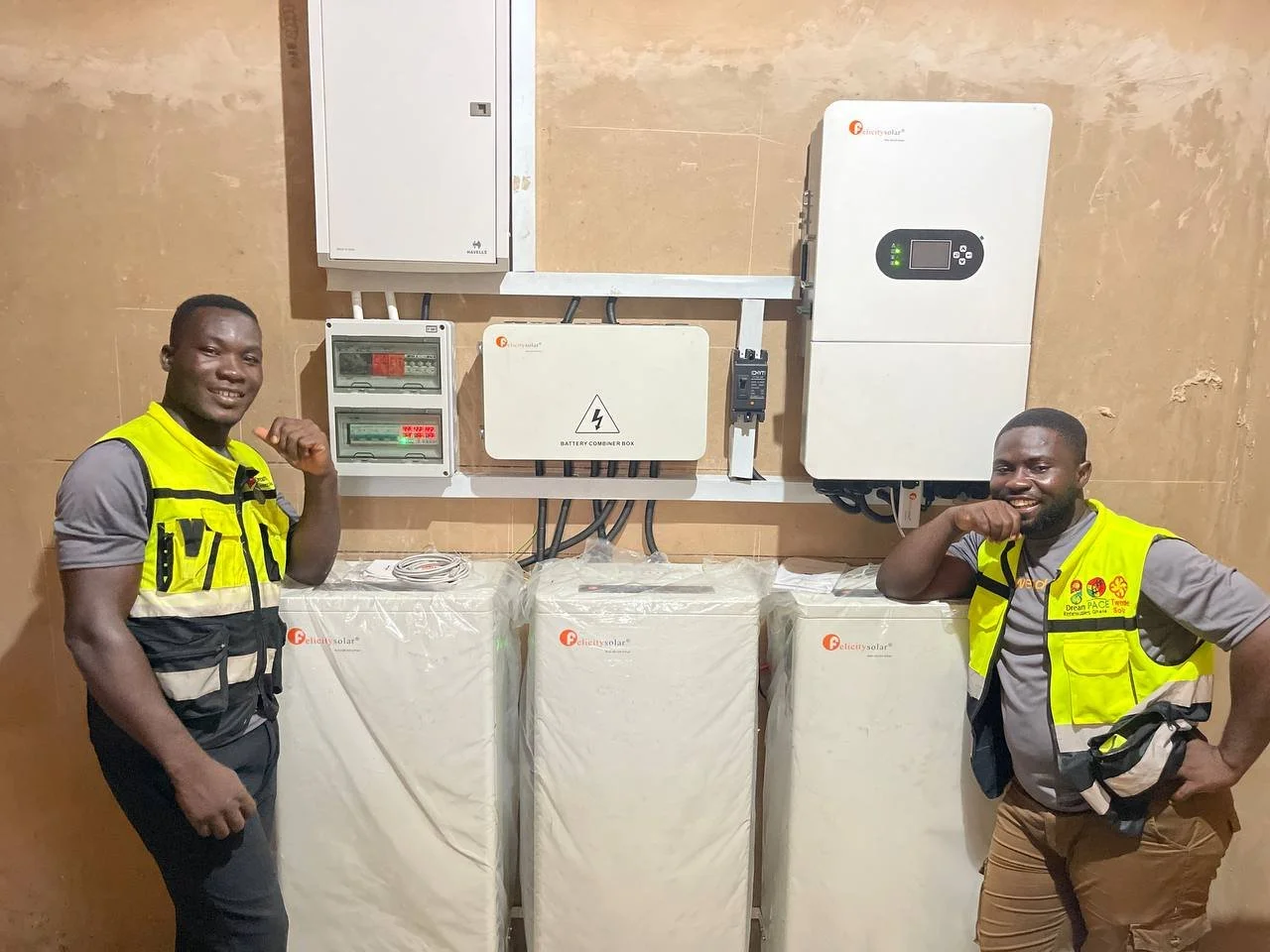
How Dream Renewables is helping to change the narrative
At Dream Renewables, we believe that to truly unlock Ghana’s solar potential and impact, we must tackle misconceptions from both sides.
Firstly we equip installers and technicians from across Ghana with the skills to design effective and safe solar power systems and communicate these properly to the clients to ensure they know exactly what their solar power system can and can not do. This helps to reduce costs as local electricians and technicians are cheaper than the companies from the big cities. It also increases the reputation of solar as their clients get solar power systems they are effective and that they fully understand.
Secondly we run shorter demonstration workshops and provide unbiased advice to people interested in solar. This means people can try before they buy which helps improve confidence in solar power. We are currently planning our solar power demonstration centre - open to anyone to view the different types of solar power system available.
By increasing the vocation skill base in Ghana and simultaneously improving the awareness and confidence in solar power systems Dream Renewables aims to increase solar adoption and provide sustainable livelihoods to people from Across Ghana.
