
October 2025 - Clean Cooking Advocacy and Research Project (CARP) Completed!
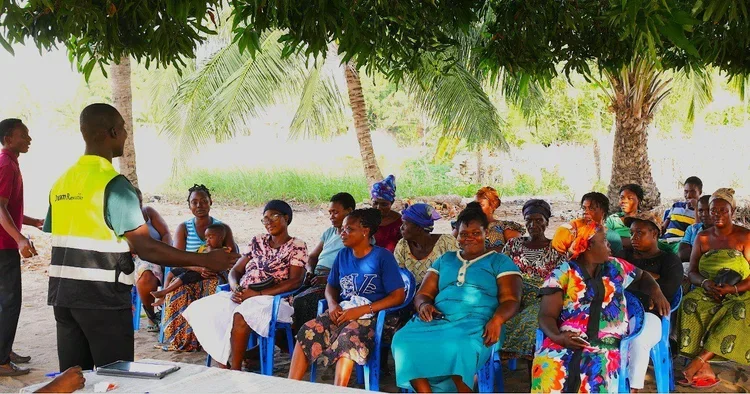
A clean cooking demonstration in the Volta Region
In Ghana and across much of Sub-Saharan Africa, millions still rely on open fires and inefficient charcoal stoves, fuelling a silent crisis. These traditional stoves drain household income, deepen inequality and disproportionately impact women and children’s health. Imagine spending over 60% of your monthly wages on cooking fuel, while breathing smoke that 7 in 10 women say causes respiratory difficulties. Our clean cooking research reveals the urgent need and the opportunity for change.
After over 18 months of work delivering workshops, demonstrations and trials in 4 rural communities across Ghana, we’re proud to announce the completion of our Clean Cooking Advocacy and Research Project (CARP). The project was delivered in three core phases:
Advocacy, education and demonstration
Household cooking behaviour and attitudes surveys
Real-world trials with various improved cooking equipment
We recently presented this work to a group of civil society organisations that work in this area. You can watch a recording below. A huge thank you to Gower Street, who organised this convening.
Or…

An ongoing cookstove demonstration
Survey Results
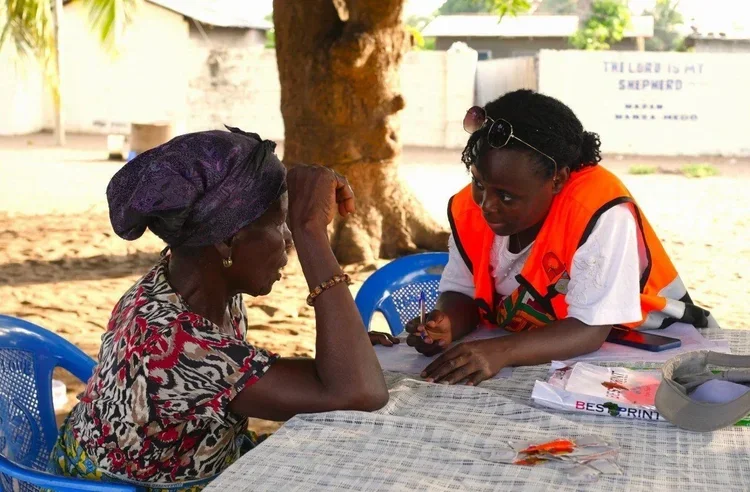
Laurencia surveying a women in the Volta Region
We surveyed over 700 people to understand their cooking patterns and attitudes to safer and cleaner options. This is what we learnt:
Over 70% of respondents reported health issues - including chronic cough, sore throat, and eye irritation - due to prolonged exposure to cooking smoke.
The average household spends 14 GHC per day on fuel, nearly 75% of the daily minimum wage in Ghana.
Charcoal and firewood burnt in traditional, inefficient stoves accounts for approximately 75% of cooking. Although this may seem cost-effective at first, it carries significant long-term health and financial costs. In contrast, energy-efficient stoves like the Gyapa and Burn/Envirofit offer cleaner, safer cooking, and pay for themselves within just a few weeks through fuel savings.
Before our advocacy sessions, only 32% of respondents used improved cookstoves, and the majority of that 32% use a traditional stove far more frequently. A lack of knowledge about improved cookstoves (35%) and concerns about upfront costs (35%) were the main reasons why 68% of households had not purchased a stove.
After our advocacy and demonstrations, over 90% of participants expressed interest in purchasing a clean cookstove. Seeing the stove used in a live demonstration was a key factor behind this overwhelmingly positive response. These findings suggest that limited awareness remains a major barrier to clean cooking adoption.
Read pages 15-26 in the report for more info.
Real World Trials
Laurencia surveying a women in the Volta Region
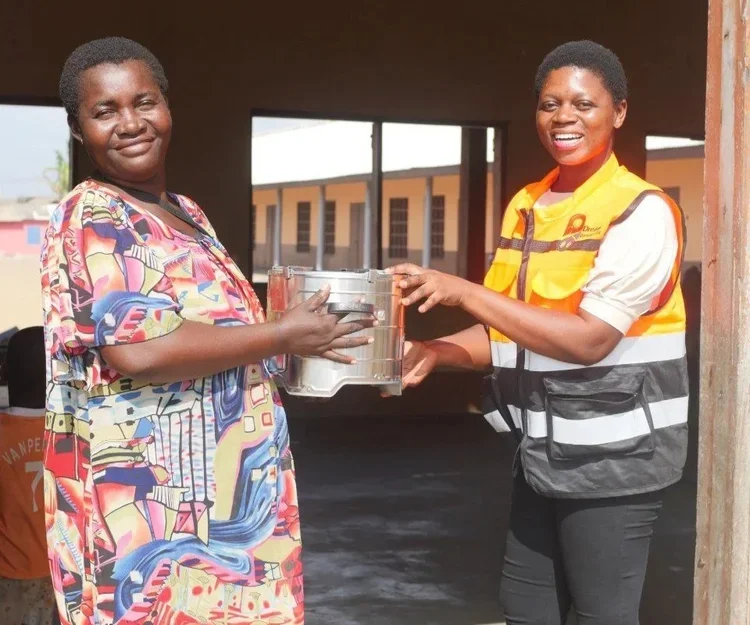
49 households participated in follow-up trials. These households were offered an improved cook stove at a discounted price in return for sharing the experience with us through surveys and interviews.
After 3 months, 100% of trial participants said the stoves saved money on fuel and 97% would recommend the stove to others. This seems to confirm that the main barrier is a lack of knowledge about the technologies available, rather than a fundamental issue with the stoves.
Several practical challenges were reported, although these challenges could be easily overcome. For example, some improved stoves are not designed to accommodate larger pots or extended cooking times that large families need. However, larger cookstoves are available, despite being less known.
Read pages 27-30 in the report for details on the trial outcomes.
Recommendations and Next Steps
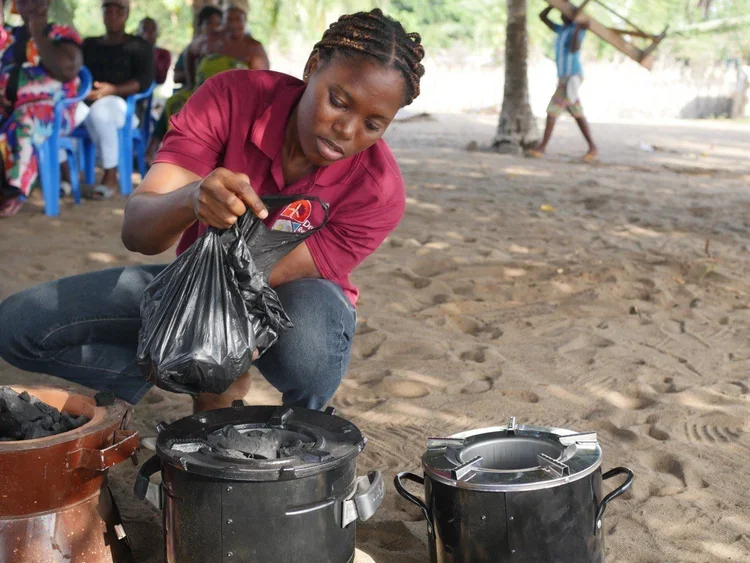
A trial begins with a Burn cookstove
Clean cooking is not just an environmental issue - it’s a public health, economic, and gender equity issue. With the right education, support, and investment, the transition to improved cooking technologies in Ghana is within reach.
Our key recommendations for future projects in the sector are as follows:
Deliver targeted education campaigns in rural areas, ensuring focus on the financial and health benefits.
Ensure a range of low-cost improved cookstoves, suitable for all types of households, are widely available.
Engage local women and youth as community ambassadors, ensuring they are well represented within delivery teams.
Promote the local manufacturing to ensure long-term accessibility and impact.
We hope that our research will be a useful resource for NGOs across Ghana. Please reach out if you would like to collaborate or you would like more information on our research to support your work.
Dream Renewables is currently putting together an action plan focusing on how our small team can have the most impact in this area - watch this space.
We are already working with market sellers in the areas we visited, offering microloans to help purchase bulk qualities of stoves. Madam Doris from Techiman, Western Region, has sold 33 of the most efficient cookstoves already. She’s earning a sustainable income while helping local families access safer, more environmentally friendly cooking stoves.
Here’s How You Can Help
1. Donate – Help us reach more families with education, clean stoves, and support
2. Forward this newsletter to three people you think might be interested-and ask them to sign up below:
3. Partner with us – Let’s work together to expand clean cooking in Ghana
