
Solar Power Installed for Five Rural Health Clinics Improving vaccine provision, healthcare delivery and staff wellbeing
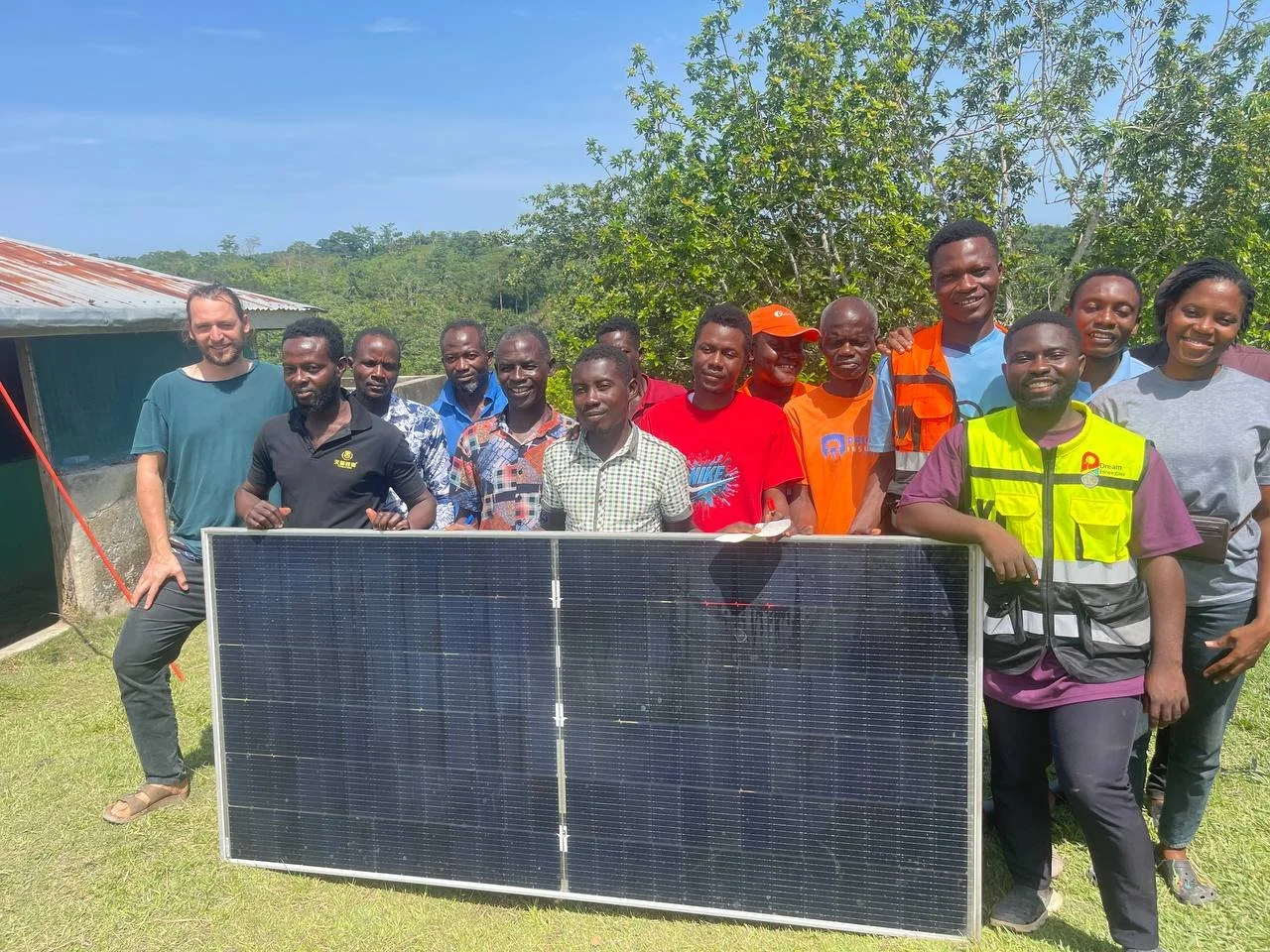
Dream Renewables team with trainees after the installation at Moframfadwene CHPS Compound
In many rural communities across Ghana, healthcare does not fail because of a lack of nurses or commitment. It struggles because of something far more basic: electricity.
Without reliable power, vaccines cannot be stored safely. Night-time emergencies become a challenge. Staff morale declines. Mothers hesitate to visit clinics after dark. Health workers spend hours travelling just to collect vaccines or charge essential devices.
In the Amenfi West District of the Western Region, this is the reality for many off-grid health centres, which are called Community-based Health, Planning and Services (CHPS) compounds. In 2025, Dream Renewables completed a comprehensive assessment of these health centres and selected five where solar power had the highest potential to improve healthcare. This was assessed based on the distance to the nearest village with electricity, the catchment area population, the number of patients and other factors.
The five health centres are Moframfadwene, Wassa Brekum, Ohiampeanika, Aworabo and Mmrakrom. These clinics collectively serve over 20 surrounding communities, acting as the first and often only point of healthcare access for thousands of people.
In early 2026 the Dream Renewables team travelled to Amenfi West to complete the installation of the solar power systems. Against seasonal norms it rained several times during our trip and the clay roads became like ice rinks. Our vehicle got stuck in the mud twice, and we were rescued thanks to the people of Aworabo. There were no guest houses so the team had to stay in very basic accommodation generously provided by each community.
Despite these challenges we successful installed all the solar systems and managed not to break any of the 24 solar panels. We also trained over 20 local people to monitor and maintain the systems and 2 local people from each community were awarded a full scholarship to attend our certified Solar Technician Training, helping to further their skills and bring solar to other places in their communities.
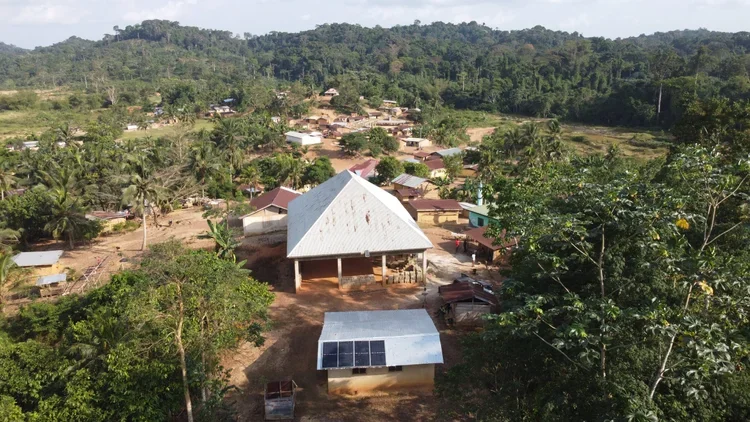
Solar system installed at Mmrakrom CHPS compound
Aworabo CHPS compound
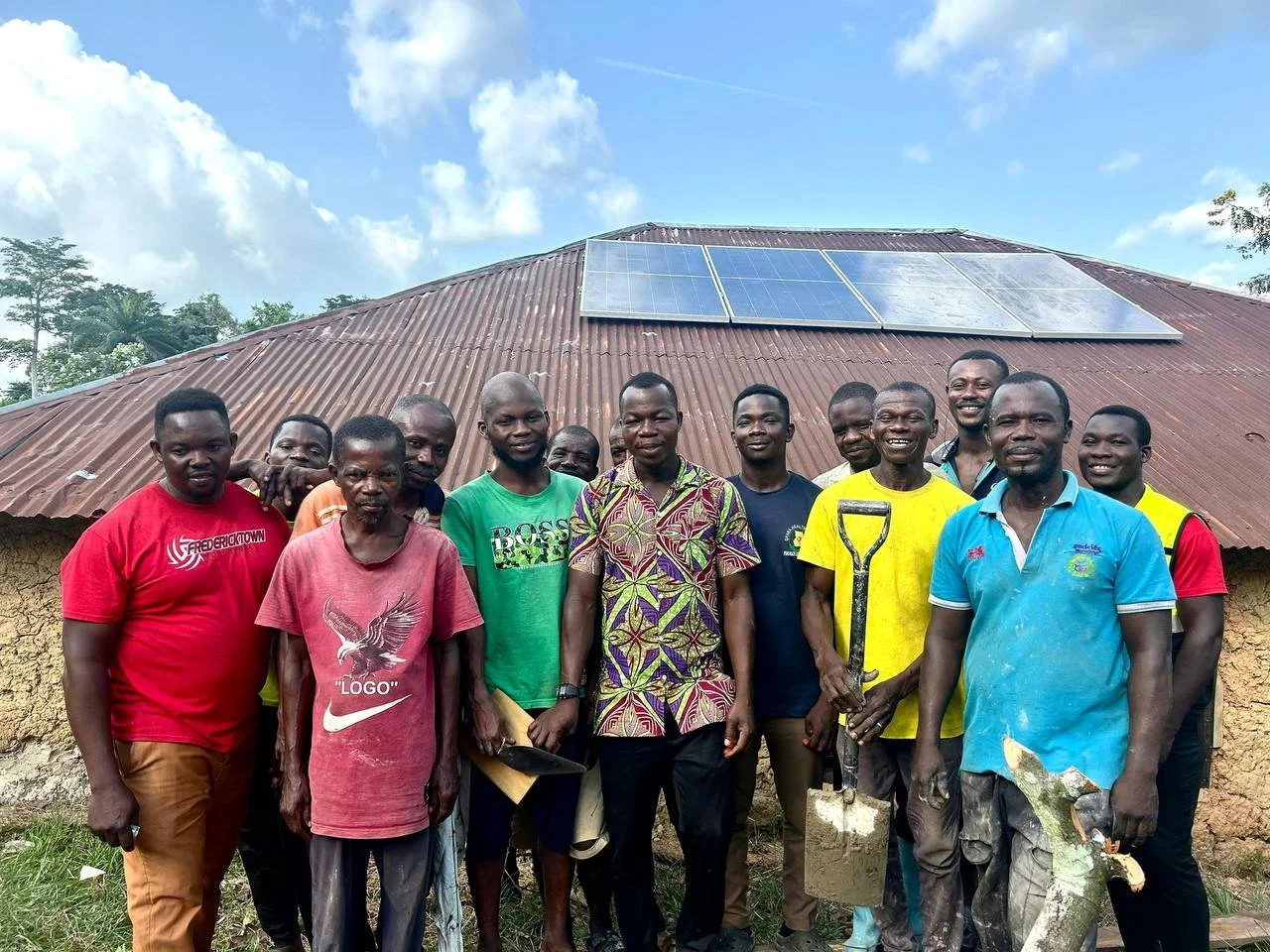
Aworabo Community Leaders at the Project Site
One of the five health centres where we installed solar power is Aworabo. Aworabo is a rural farming community with a population of 1,238 people. The CHPS compound serves five(5) surrounding villages within its catchment area and records an average monthly attendance of approximately 75 patients, including antenatal care, child welfare clinics, immunisations and general outpatient visits.
The nearest town lies many kilometres away, and during the rainy season, that distance feels even greater. For many families across surrounding villages, the CHPS compound is not simply convenient, it is their first and often only point of healthcare.
When we arrived in Aworabo, the road into the community was thick with mud, and as evening approached, darkness settled quickly. There were no streetlights. No distant glow from nearby towns. Only the quiet understanding that once the sun disappeared, so did visibility. This was the reality the local CHPS compound operated in every day.
Paul’s Story
For two years, Mr. Paul Kwabena Peh, the nurse at Aworabo CHPS, worked under these conditions.
“It’s been two years since I was posted to the Aworabo CHPS. Providing healthcare at night without electricity is challenging. Sometimes when your phone battery is low, you need to go to another town to charge it. If you’re not able to go to the nearest town to charge it, it means you won’t get light for the day.’’
Without electricity at the facility, even basic communication requires travel.
“Because I can’t charge my phone here, I have to leave it in Mumuni to charge. So sometimes when I need to refer patients or need to communicate with the Directorate, I have to close the facility and visit in person”
The absence of power affected both clinical care and coordination. Vaccine storage was not possible on-site. Referrals were delayed when communication failed. Night-time care was delivered under severe limitations.
“A community without light is like being blind. You can’t function properly.”
The challenges extended beyond the consulting room. The nurse’s accommodation had no reliable lighting, meaning the same constraints followed her after working hours.
“If I get access to light, it will help me in many ways and improve the services we provide. Cases that I have to refer due to lack of electricity, I will be able to store my vaccines in a refrigerator. It will make my work more convenient for me and I get to charge my phone at the facility without travelling.”
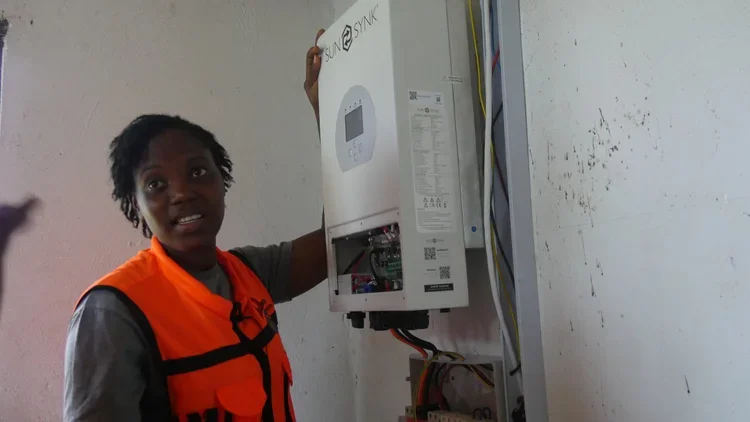
Solar inverter installed at Aworabo CHPS compound
Until recently the CHPS operated from a privately owned structure within the community. However, the owner has since reclaimed the building, in effect evicting the health centre. In response, the community mobilised to build a new CHPS structure using the traditional building method of cob (clay, sand and straw) on a bamboo frame. The plastering and painting were being completed while we installed the solar power system. As of February 27th the building is completed, the nurse has moved into the accommodation, and the health centre has moved its operations to this new building.
24-hour power
The 2.5 kW solar and battery storage system we installed is designed to power:
Lighting across consultation and treatment rooms
Night-time emergency services
Charging of essential medical and communication devices
The nurse’s accommodation at the CHPS compound
Additionally, we installed a solar powered vaccine fridge at a nearby location, central to three of the five health centres taking part in this project. This will significantly reduce the time and energy required to collect vaccines.
For the first time, the clinic can operate consistently both day and night without depending on external charging sources or generator fuel.
New Skills within the Community
To ensure long-term sustainability of the system, four community members were selected by local leaders to receive hands-on training during the installation. Among them were Frank Gyaba and James Coach, both residents of Aworabo who were nominated for their reliability and active roles within the community.
During the installation process, they assisted with:
Mounting solar panels
Running wiring
Connecting inverters and batteries
Basic system testing and troubleshooting
They will now serve as first-line caretakers of the system, monitoring performance and addressing minor issues before Dream Renewables conducts routine follow-ups.
What stood out most to the technical team was their enthusiasm. One of our technicians reflected on how surprised he was by how quickly the trainees grasped the technical concepts. He shared that the willingness of the community members to learn, and how easily they adapted to the installation process, exceeded expectations.
As part of the project, each beneficiary community was asked to nominate two to three members to attend Dream Renewables’ Certified Solar Technician Training Programme in Kumasi this March.
From Aworabo, Frank Gyaba and James Coach were selected.
The programme will provide both theoretical and practical instruction in solar PV design and installation and energy assessment. On completion, participants will receive certification.
This additional training means that Aworabo will not only have a functioning solar system at its CHPS compound, but also two community members with technical training who can support ongoing maintenance and respond to basic system issues locally.
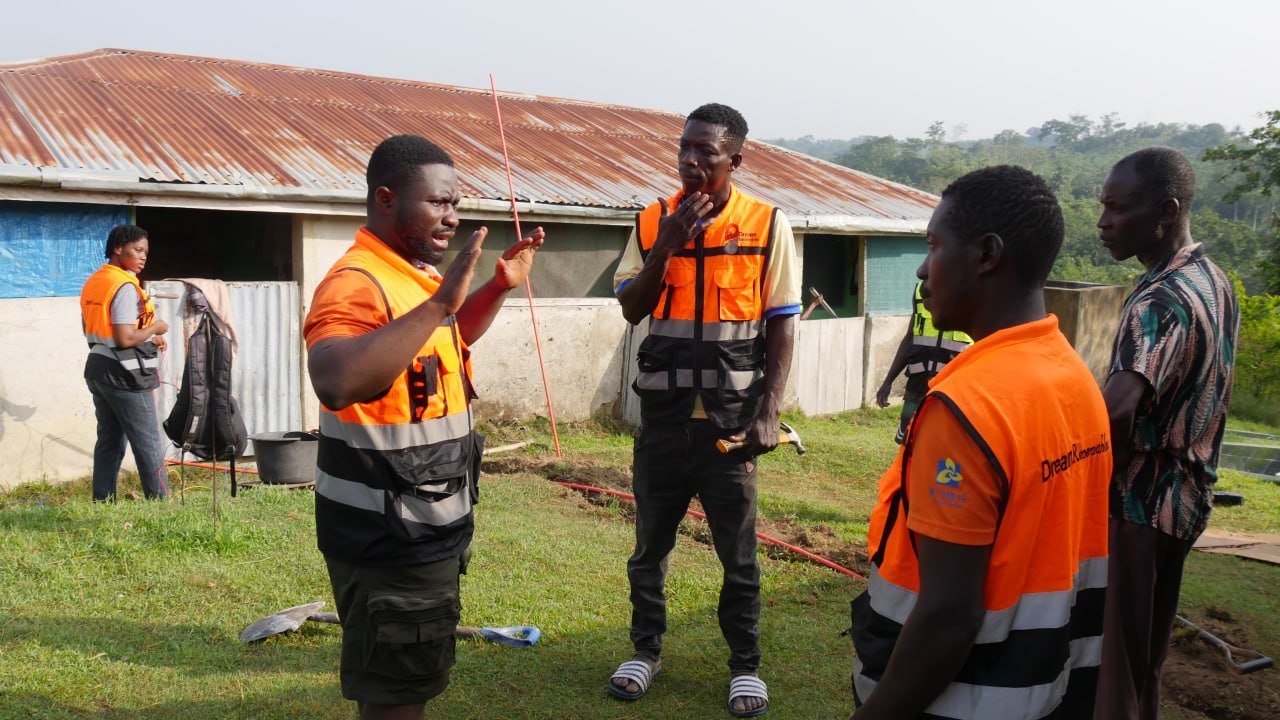
Trainees from Mmoframfadwene Community
Expected impact across the five Clinics
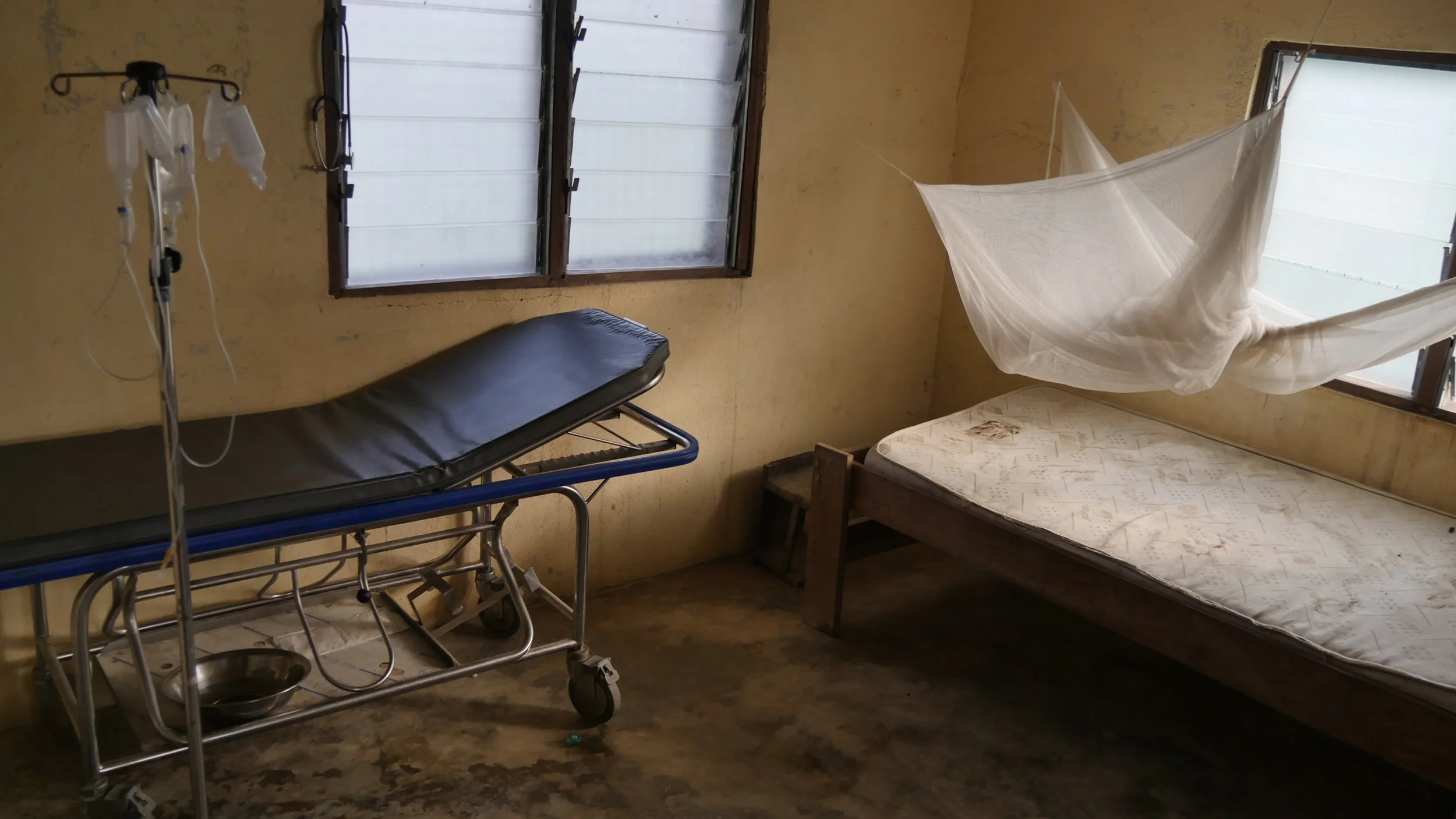
Inpatient ward 1 - at Mmoframfadwene CHPS
At these five CHPS compounds, the introduction of 24-hour solar power is expected to influence service delivery, patient confidence, and staff stability in several measurable ways:
Increased Vaccine Administration
Previously, vaccines could not be stored safely at the facility. Health workers had to travel long distances to access them, which limited availability and delayed immunisation sessions. With on-site cold storage now possible, vaccination schedules can be adhered to more consistently.
Increased Antenatal Care (ANC) Attendance
Maternal health services depend heavily on trust and accessibility. With reliable lighting and power for medical devices, nurses can confidently manage antenatal visits and monitor expectant mothers day or night.
In communities where night-time emergencies previously posed significant risk due to poor lighting, families often delayed seeking care. Reliable electricity reduces that hesitation. When women know they can receive safe, well-lit care at any hour, attendance improves.
Increased Child Welfare Clinic (CWC) Attendance
Child Welfare Clinics rely on consistent vaccine storage, record keeping, and scheduled service days. Power interruptions previously disrupted these services.
With uninterrupted electricity, record systems remain functional, vaccines remain viable, and clinic days proceed as planned. Over time, this reliability strengthens caregiver confidence and increases attendance.
Increased Outpatient Attendance
Before solar installation, service hours were effectively dictated by daylight. Once evening fell, visibility and safety concerns limited operations.
With constant lighting, the CHPS compound can now attend to patients after sunset; this is particularly critical for emergencies, malaria cases, and maternal care. Extended functional hours are likely to translate into higher outpatient attendance.
Extended Clinic Opening Hours and Improved Staff Efficiency
Health workers previously spent valuable time travelling to collect vaccines or charge essential devices. This reduced the time available for patient care.
With electricity now available on-site, that time is reclaimed. Nurses can dedicate more hours to consultations, outreach, and follow-ups rather than logistics.
Improved Staff Retention and Morale
Living conditions significantly influence rural staff retention. Reliable lighting in the nurses accommodation improves safety, comfort, and overall wellbeing.
When staff feel supported and equipped, morale improves, and with it the likelihood that skilled professionals remain in rural postings.
Evidence from our Previous Projects
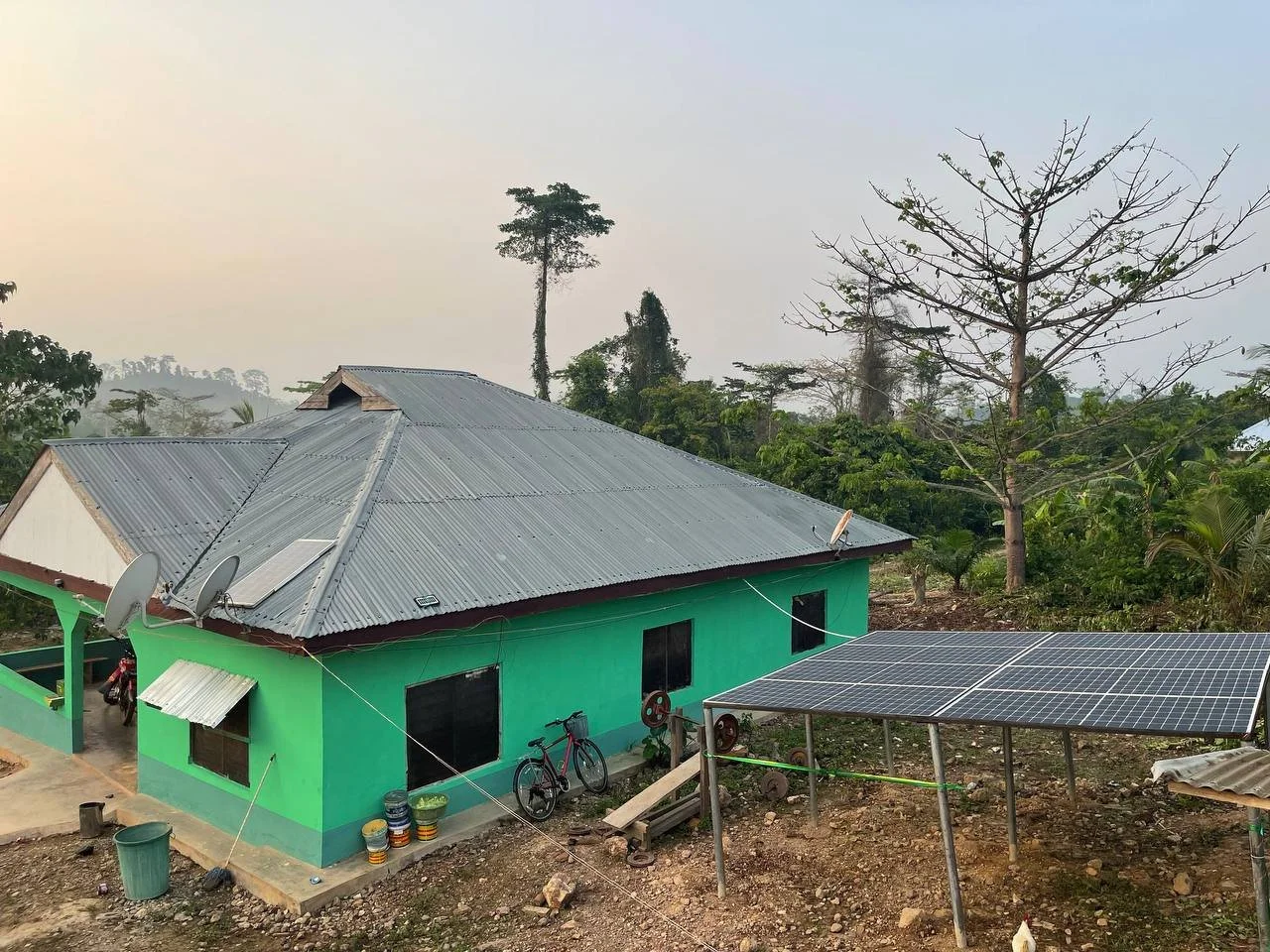
Juantuakrom CHPS Compound solar power system
These projections are not theoretical.
At Juantuakrom CHPS, where Dream Renewables installed a comparable solar system, the impact was measurable within one year:
32% increase in general vaccine administration due to reliable cold-chain storage
Increase in numbers of people attending Antenatal Care
Increase in numbers of people attending Child Welfare Clinic
Improved staff morale and stability
The pattern is clear: when rural health facilities are equipped with reliable electricity, service delivery stabilises, patient confidence grows, and attendance increases.
Prior to the solar installation, the CHPS compound operated with two nurses. Six months after the system became operational, an additional nurse was posted to the facility, increasing staff capacity.
According to the District Health Directorate, the availability of reliable electricity played a significant role in this development. Historically, rural areas are often declined staff due to difficult living and working conditions, particularly the absence of power. With stable lighting, functional equipment, and electrified accommodation, the facility has now become a more viable and acceptable workplace.
Aworabo, Mmrakrom, Brekum and Ohiampeanika now have the same enabling infrastructure.
With consistent power, trained local caretakers, and strengthened facility capacity, the foundation for similar improvements is firmly in place.
Key Challenges and Lessons Learned
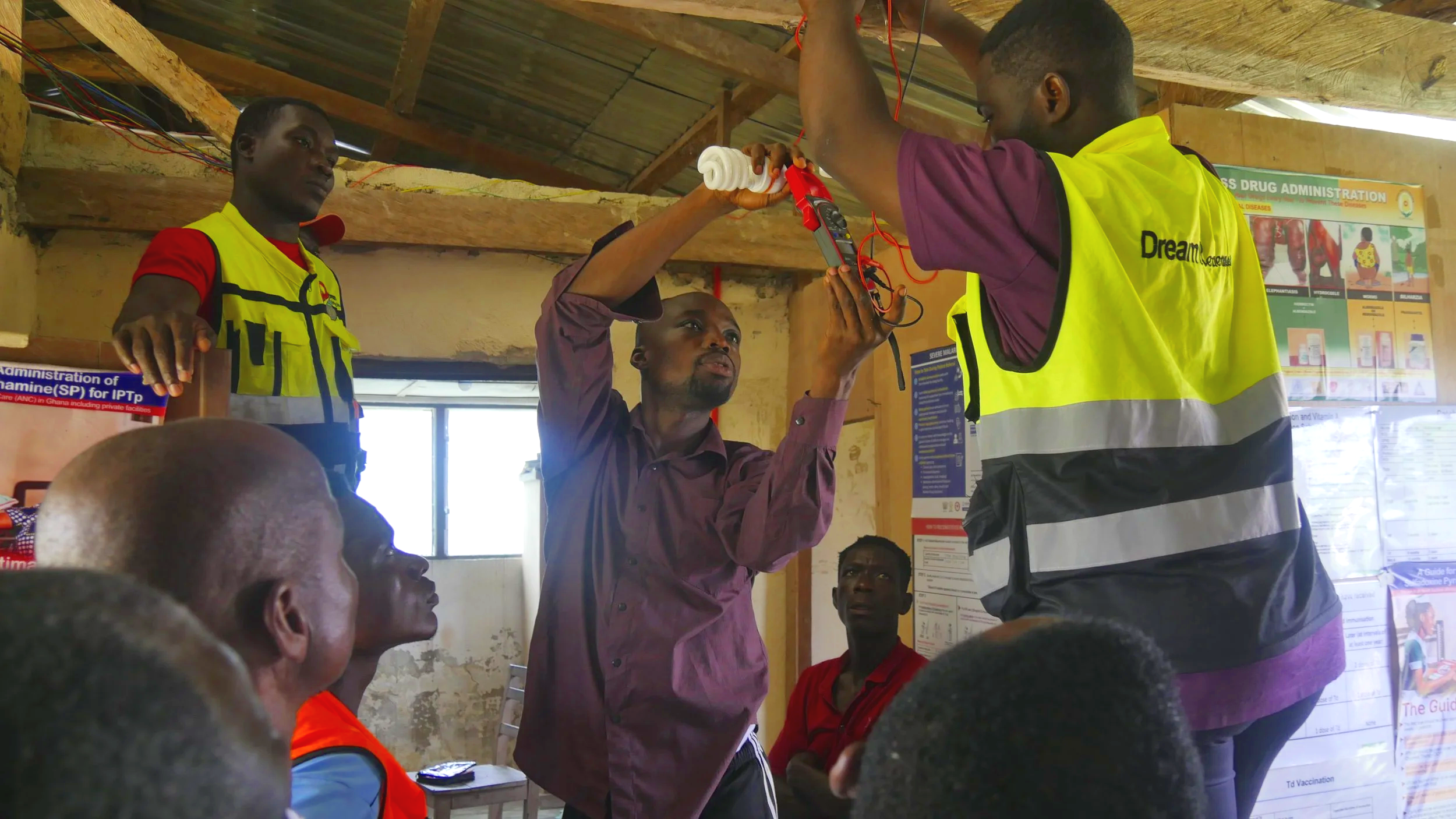
Dream Renewables team wiring the Moframfadwene CHPS compound
Following project completion, the team conducted an internal review to strengthen future delivery and risk management.
Road Access and Mobility
Access to all five(5) communities was severely affected by poor and often unmotorable road networks, especially during the rainy season. On multiple occasions, vehicles became stuck, and team members continued journeys on motorbikes to reach project sites.
Communication Constraints
Limited mobile network connectivity and the absence of electricity complicated coordination with nurses, community leaders and stakeholders. Charging communication and media devices was an ongoing challenge in off-grid settings.
Compressed Project Timeline and Physical Fatigue
The project schedule was highly intensive, with activities occurring in quick succession, limiting adequate rest between phases.
Inadequate Accommodation Facilities
Most beneficiary communities lacked appropriate accommodation. The team frequently lodged in distant towns and travelled long distances daily. In some cases, overcrowded sleeping arrangements and lack of electricity affected rest and wellbeing.
Lessons for Future Implementation
The experience has strengthened Dream Renewables’ operational planning and risk management framework. Key improvements for future projects include:
Incorporating realistic timelines with built-in contingency days and structured rest periods to maintain team wellbeing.
Strengthening mobility planning, including alternative transport arrangements and enhanced travel risk assessments for remote deployments.
Integrating portable power stations, additional battery storage and expanded media equipment capacity into project budgets for off-grid operations.
Prioritising accommodation planning and welfare considerations, including contingency lodging solutions where necessary.
Here’s How You Can Help
1. Donate – Help us reach more families with education, clean stoves, and support
2. Forward this newsletter to three people you think might be interested-and ask them to sign up below:
3. Partner with us – Let’s work together to expand clean cooking in Ghana
